

Best Earthy Loose Leaf Tea Blends
Table of Contents
- What Makes a Loose Leaf Tea Truly Earthy
- Quick Comparison: Our Earthy Loose Leaf Tea Selection
- Tasting Notes of Premium Loose Leaf Tea: Finding Your Profile
- How to Brew Loose Leaf Tea for Beginners
- Best Loose Leaf Tea Storage Containers for Freshness
- Why Quality Matters: Sourcing and Sustainability
- Frequently Asked Questions
Last Updated: October 2, 2026
What Makes a Loose Leaf Tea Truly Earthy
An earthy loose leaf tea blends natural botanical ingredients, roasted notes, woody undertones, warm spice, to create a grounded, complex flavor profile. Canvas and Clove LLC's earthy loose leaf tea blends combine carefully selected leaves with complementary botanicals to deliver a sensory experience that goes beyond a simple cup.
What separates truly earthy teas is their depth: flavor that lingers and unfolds with each sip. This comes from careful sourcing, processing, and blending. A quality earthy loose leaf tea has natural oils intact, minimal dust, and whole leaves that steep multiple times without losing character.
Real earthiness comes from intention: roasting processes that develop toasted cereal notes, botanical selections that add umami depth, and blending techniques that balance competing flavors. This distinguishes genuinely earthy profiles from stale or over-oxidized teas.
When shopping for earthy loose leaf tea, look for whole leaves (which retain more aromatic compounds and oils), rich and varied color, and an immediately inviting aroma: warm, slightly sweet, with hints of wood, spice, or roasted grain.
Quick Comparison: Our Earthy Loose Leaf Tea Selection
| Tea Blend | Profile | Best For | Price |
|---|---|---|---|
| Hojicha | Toasted cereal, balanced umami, smooth | Morning ritual, meditation | $22.99 |
| Masala Chai | Bold spice, full-bodied, aromatic | Afternoon warmth, with milk | $22.99 |
| English Breakfast | Rustic, sweet, stands up to milk | Daily drinking, breakfast | $22.99 |
| Moroccan Mint | Fresh mint, smooth green tea base | Afternoon refresh, iced | $22.99 |
Canvas and Clove LLC's earthy loose leaf tea collection delivers authentic flavor without pretension. Each blend is priced at $22.99, reflecting our commitment to quality sourcing and precision roasting. These selections offer genuine depth that improves with each steep.

Tasting Notes of Premium Loose Leaf Tea: Finding Your Profile
Understanding tasting notes transforms how you experience earthy loose leaf tea. Tasting notes describe natural characteristics that emerge during steeping, roasted notes, spiced undertones, botanical layers. Pairing earthy teas with complementary foods deepens the ritual and reveals new dimensions in both.
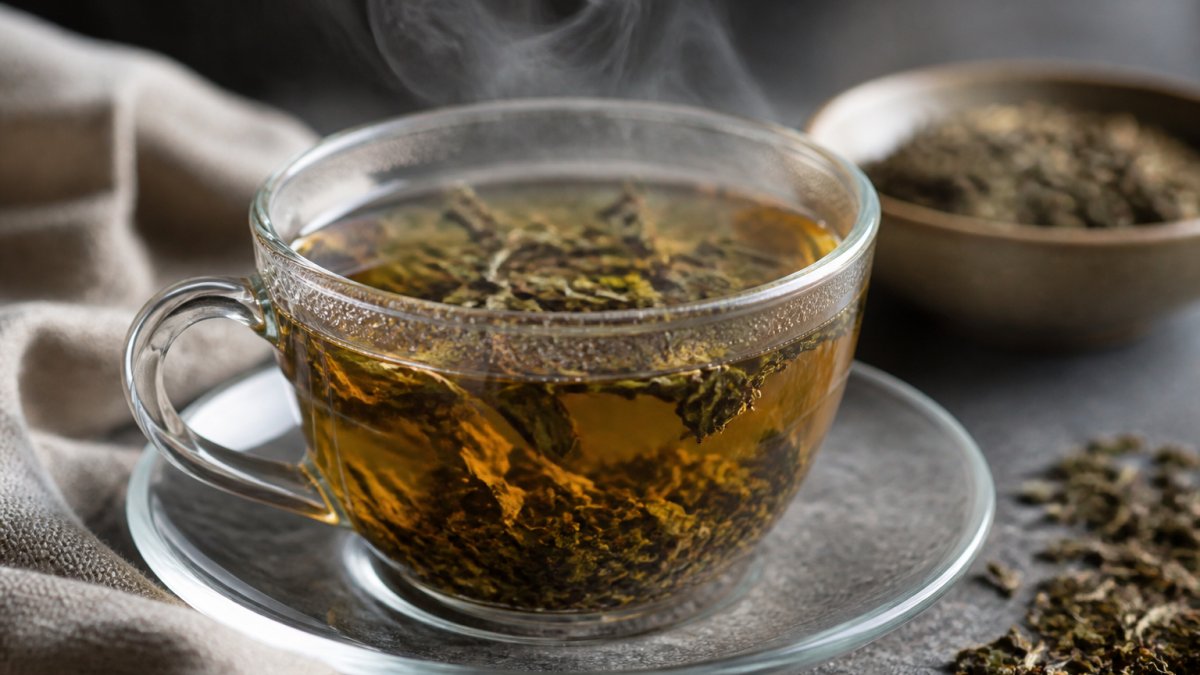
The best earthy loose leaf tea blends balance multiple flavor dimensions: toasted cereal on the first sip, woody undertones in the middle, subtle lingering sweetness. This complexity comes from thoughtful ingredient selection and roasting technique.
Roasted and Toasted Notes
Roasted teas offer warmth and depth that appeal to coffee drinkers transitioning to tea. Hojicha exemplifies this profile, a roasted green tea with toasted cereal, nutty, and caramelized flavors, balanced umami, and substantial character.

Roasted profiles work well for morning or afternoon rituals and pair naturally with milk and sweetener. Canvas and Clove LLC's Hojicha balances light roasting (which preserves vegetal notes and adds warmth) with restraint to remain smooth and comforting.
Food pairings for roasted teas: Hojicha pairs beautifully with baked goods (shortbread, almond biscotti, butter cake) and savory applications (aged cheeses, roasted nuts, grilled white fish). The roasted notes echo Maillard reaction flavors in toasted bread.
Spiced and Aromatic Blends
Spiced blends bring complexity and invigoration. Masala Chai delivers full-bodied, aromatic intensity and works beautifully served with milk and sugar or on its own.
Spiced earthy loose leaf tea blends combine black tea with warming spices like cinnamon, ginger, and cardamom, creating an aromatic experience that engages multiple senses.
Spice intensity peaks in the first steep and mellows with subsequent infusions, making them ideal for multiple steepings. This progression deepens appreciation for the underlying tea base.
Food pairings for spiced teas: Masala Chai pairs with spiced desserts (cake, gingerbread, carrot cake), Indian breads and curried vegetables, and Western options like oatmeal cookies, pumpkin bread, and sharp cheeses. The tea's full body stands up to bold flavors.
Woody and Herbaceous Notes
Some earthy blends emphasize woody undertones, creating a meditative quality, grounding the drinker in the natural world.
Herbaceous blends lean toward dried leaf, grass, or plant-forward flavors. They're often lighter than roasted or spiced profiles but still possess earthiness through their botanical composition.
Food pairings for woody and herbaceous teas: Woody teas pair beautifully with umami-rich foods, mushroom risotto, miso soup, or roasted vegetables with soy glaze. The earthy, slightly mineral quality of woody notes complements foods with similar depth. Herbaceous blends work well with light, fresh foods: salads with vinaigrette, grilled vegetables, or delicate fish preparations. They also pair nicely with herbal or grain-based dishes, creating a cohesive flavor story.
How to Brew Loose Leaf Tea for Beginners
Brewing loose leaf tea correctly transforms the experience. Water temperature, steeping time, leaf-to-water ratio, and vessel choice control extraction, how much flavor, aroma, and beneficial compounds transfer from leaves to cup. Mastering these unlocks the full potential of earthy blends.
Water Temperature and Steeping Time
Water temperature determines which compounds dissolve into your cup (Hot Water Extraction of Antioxidants from Tea Leaves, Optimization of Brewing Conditions...). Too hot causes over-extraction (bitterness, astringency); too cool causes under-extraction (weak, flat flavor). Different teas require different temperatures based on their structure and oxidation levels.
For earthy loose leaf tea blends, temperature ranges typically fall between 160°F and 210°F:
Black tea blends (English Breakfast, Masala Chai): 195°F to 210°F. Steep 3-5 minutes on the first infusion.

Roasted green teas (Hojicha): 160°F to 180°F. Steep 3-4 minutes. Lower temperature preserves smooth, toasted cereal notes.
Herbal infusions and botanical blends: 180°F to 200°F. Steep 4-6 minutes. Thicker plant material needs more time to fully hydrate.
Most loose leaf teas steep well for 3-5 minutes on the first infusion.
Re-Steeping and Flavor Progression
Earthy loose leaf tea blends reveal different character across multiple infusions. The first steep is bold and aromatic; subsequent steeps become more subtle, sometimes revealing hidden spice notes or woody undertones.
With roasted teas like Hojicha, the second and third infusions often taste smoother and less intense than the first, which many drinkers prefer for afternoon sipping. With spiced blends like Masala Chai, the second infusion sometimes reveals subtle cardamom or ginger notes that were masked by the bold first steep. Experiment with your specific blend to find which infusion tastes best to you.
When the brew turns pale and tastes thin, the leaves are exhausted.
Extracting Maximum Flavor from Earthy Profiles
Earthy loose leaf tea blends contain roasted leaves, woody botanicals, and spiced ingredients that require proper extraction to shine. These aren't delicate teas that whisper; they're meant to be tasted fully.
Use a proper infuser or strainer that allows leaves room to expand and move. Crowded leaves can't release their flavor effectively.
Vessel choice matters more than most guides acknowledge. A ceramic or glass teapot with good heat retention will maintain temperature throughout steeping, ensuring consistent extraction.
Water quality also affects extraction. Filtered or spring water produces cleaner flavor than heavily chlorinated tap water. If your tap water is hard (mineral-rich), the minerals can interfere with extraction and create a slightly chalky mouthfeel.
Best Loose Leaf Tea Storage Containers for Freshness
Proper storage preserves the quality of your earthy loose leaf tea. Tea degrades when exposed to light, heat, air, and moisture. The goal is to minimize all four.
The best containers are airtight, opaque, and kept in a cool, dark place. Glass jars with sealed lids work well if stored in a cabinet away from direct sunlight.
Store your loose leaf tea away from strong-smelling foods and spices. Tea absorbs aromas readily. A dedicated shelf in a cool cabinet or pantry is ideal.
When properly stored, quality earthy loose leaf tea maintains peak flavor for 6 to 12 months. The leaves won't spoil after that, but aromatic compounds fade and flavor becomes muted.
Why Quality Matters: Sourcing and Sustainability
The difference between commodity tea and premium loose leaf tea lies in sourcing decisions.
Quality sourcing means selecting whole leaves from specific growing regions, harvesting at the right time, and processing with care.
Sustainability matters alongside quality. Responsible sourcing supports tea farmers, protects growing regions, and ensures long-term viability of tea production.
The real test of quality is simplicity. The best earthy loose leaf tea blends contain only tea leaves and botanicals. No fillers, no artificial flavoring, no dust.
Finding the right earthy loose leaf tea blend transforms your daily ritual into a moment of genuine pause.
Frequently Asked Questions
What defines an 'earthy' flavor profile in loose leaf tea?
Earthy loose leaf tea blends feature grounding, natural notes that evoke soil, minerals, wood, or toasted grain. These flavors come from roasting methods, botanical ingredients like ginger and cinnamon, or the tea's origin. Roasted green teas like hojicha and aged oolong naturally develop these profiles through oxidation and heat processing. The earthy quality creates a smooth body with depth, distinguishing these blends from lighter, floral varieties.
How do I brew loose leaf tea to extract deep, earthy flavors?
Brewing temperature and steeping time are critical for earthy loose leaf tea. Start with 2.5 grams of loose leaf per 12 ounces of water. Hotter water extracts more tannins and bold notes, while longer steeping deepens the earthy character. Many premium blends support multiple infusions to reveal layered flavor notes.
What is the difference between earthy pu-erh and roasted oolong teas?
Hojicha develops earthy notes through controlled roasting that creates toasted cereal and nutty flavors with balanced umami. Pu-erh teas, while earthy, typically feature deeper, funky, or mineral-forward notes from fermentation and aging. Hojicha offers a smooth, approachable entry into earthy loose leaf tea, while pu-erh appeals to those seeking more complex, aged character. Both deliver robust flavor profiles and support multiple steepings.
How should I store loose leaf tea to preserve its earthy aroma?
Store loose leaf tea in airtight containers away from light, heat, and strong odors. Keep tea in a cool, dry place, not near the stove or in direct sunlight. Properly stored loose leaf tea stays fresh for 6-12 months.