

Why Drink High Quality Loose Tea: A Guide
Table of Contents
- What Makes Tea High Quality
- Loose-Leaf Tea vs Tea Bags: The Fundamental Differences
- Superior Flavor Profiles and Sensory Experience
- Antioxidants, Catechins, and Health Benefits
- How to Brew Loose-Leaf Tea for Best Results
- How Much Loose-Leaf Tea Per Cup
- The Real Value: Economics and Sustainability
- Frequently Asked Questions
Last Updated: October 19, 2026
What Makes Tea High Quality
High quality loose tea comes down to leaf integrity, processing precision, and care from cultivation to cup.
Plants grown in optimal conditions, harvested at the right moment, and processed carefully deliver complexity and depth; oxidation, temperature control, and leaf handling determine what ends up in your cup.
Leaf Integrity and Processing Methods
Whole leaf tea is the gold standard because intact leaves retain more essential oils, flavor compounds, catechins, and antioxidants. Broken leaves and fannings release their contents too quickly, producing harsh, one-dimensional brewing.
Orthodox processing, which handles leaves gently, beats CTC (Crush-Tear-Curl) methods that break leaves into pellets for speed: whole leaf tastes cleaner and more nuanced, while fannings taste flat, sometimes bitter.
Canvas and Clove LLC sources teas processed with care for leaf preservation, focusing on teas like our Earl Grey and Moroccan Mint where the full leaf matters for sensory quality.

Oxidation Levels and Flavor Development
Oxidation transforms fresh leaves into the finished product: white teas undergo minimal oxidation, green teas light, oolong sits in the middle, and black teas are fully oxidized.
Oxidation is controlled through temperature, humidity, and timing, and a tea maker's skill shows in managing it precisely. Under-oxidized black tea tastes grassy; over-oxidized white tea loses its delicacy.
Terroir matters too: the same plant grown in different regions develops different flavor potential based on soil, altitude, and climate, which is why high quality loose tea commands attention.
Loose-Leaf Tea vs Tea Bags: The Fundamental Differences
The choice between loose leaf and tea bags isn't snobbery, it's physics and manufacturing. The differences matter for flavor, health compounds, and environmental impact.
Leaf Expansion and Infusion Quality
Loose leaf tea needs space to expand and move freely in hot water. As leaves unfurl, they release compounds gradually and evenly, and water circulating around the entire leaf surface extracts flavors, tannins, catechins, and antioxidants at the right rate.
Tea bags constrain this process: fannings and dust compressed into a small pouch extract too fast, often turning bitter.
The sensory difference is immediate: loose-leaf tea offers a cleaner, more complex aroma where you can smell the terroir and processing, while bagged tea smells flat and one-note.
Microplastic Contamination Concerns
Many tea bags are made from plastic fibers that shed microplastics into hot water, research suggests a single cup from a plastic tea bag can release millions of microplastic particles.
Loose-leaf tea eliminates the problem: you steep whole leaves in water using a metal or ceramic strainer, nothing synthetic involved.
Even "plastic-free" biodegradable bags can contain synthetic fibers that break down into microplastics; the safest choice is loose leaf steeped in a metal or ceramic vessel.
Superior Flavor Profiles and Sensory Experience
The aroma of high quality loose tea is where the difference becomes undeniable: open a package and the scent is complex, layered, and evolving as you brew and as the tea cools.
Canvas and Clove LLC's teas are chosen for this sensory dimension. Our Matcha is refined and lingering, designed for traditional preparation.

When you invest in high quality loose tea, the flavor is more interesting, the ritual more intentional, and the cup something you look forward to.
Antioxidants, Catechins, and Health Benefits
Tea contains compounds that matter for health: catechins, a flavonoid abundant in tea leaves, survive brewing, and antioxidants help reduce inflammation and support cardiovascular function.
Concentration depends on leaf quality and processing: whole-leaf tea retains more catechins and antioxidants than broken leaves or fannings because the structure stays intact, and proper brewing extracts them efficiently.
Different tea types offer different profiles: green teas like our Moroccan Mint preserve high catechins through minimal oxidation, while fully oxidized black teas like our Earl Grey shift the compound profile without eliminating benefits.

Fannings and dust may contain some of the same compounds, but they're often degraded during processing. The whole leaf is the most stable, potent delivery system for what makes tea beneficial.
How to Brew Loose-Leaf Tea for Best Results
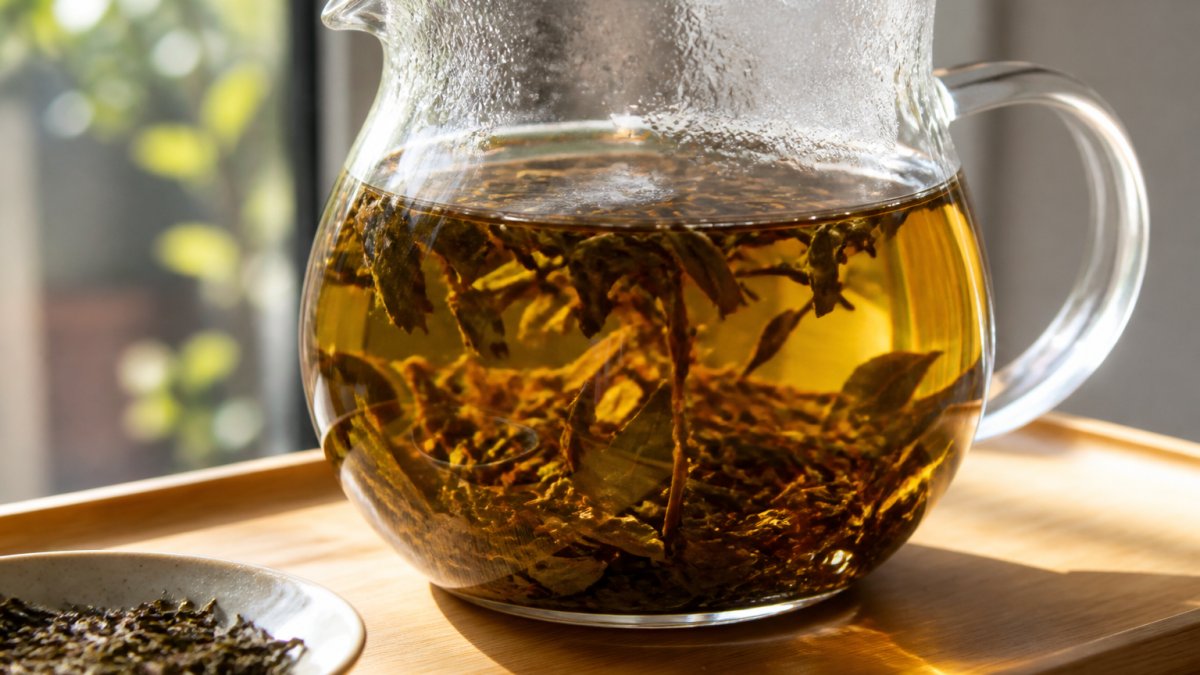
Brewing loose-leaf tea is straightforward, but precision matters: extract flavor and beneficial compounds without over-extracting tannins. Most guides stop at temperature and time, but the ingredient you use most is water.
Water Quality: The Variable Nobody Talks About
A cup of tea is roughly 99% water; if your water tastes off, your tea will too, no matter how good the leaf.
Three water factors drive extraction:
- Mineral content (hardness). Calcium and magnesium bind to flavor and aroma compounds and pull them out of the leaf. Very hard water mutes aroma and can leave a chalky film on the surface. Very soft or distilled water lacks the minerals that help round out body, so the cup tastes thin and flat. A middle ground, filtered tap or low-mineral bottled water, is the common recommendation among tea practitioners.
- Chlorine and chloramine. Municipal tap water is treated with these disinfectants, and both are volatile enough to show up as a medicinal or pool-like note in a delicate green or white tea. A simple carbon filter pitcher removes most chlorine; chloramine is more stubborn and may need a filter rated for it.
- pH. Water on the alkaline side dulls brightness and can make tea taste soapy; water that is too acidic sharpens astringency. Most tap water sits in a workable range, but if your tea consistently tastes flat, test the water before blaming the leaf.
A practical test: brew the same tea with tap, filtered, and low-mineral bottled water side by side; the difference in aroma and finish is usually obvious within one sip.
Water Temperature and Steep Time
Water temperature is non-negotiable: black teas like our Earl Grey need water around 195°F, green and white teas prefer 160-180°F, and oolong falls in between.
Steep time depends on leaf size and taste: whole leaves take longer to release their compounds than fannings, which gives you a wider window for perfect brewing. Most loose-leaf teas steep well between 4-10 minutes.
Re-Steeping: The Second and Third Infusion
Whole-leaf tea is built for multiple infusions: the first steep pulls the brightest aromatics and most caffeine, the second, often the favorite among experienced drinkers, brings forward body and sweetness as the leaf continues to unfurl, and later steeps taper toward mineral and woody notes.
A common pattern is to add 15-30 seconds to each subsequent steep and keep the water at the same temperature, or nudge it slightly hotter. Oolong and whole-leaf black teas often reward three to five steeps; delicate green and white teas may give two or three.
The Vessel
The vessel matters too: a glass brewing pot or infuser lets you see leaf expansion and judge infusion color, while metal or ceramic work equally well. Avoid plastic infusers, the same microplastic concern that applies to plastic tea bags applies to plastic brewing hardware in hot water. A stainless steel basket or ceramic pot is the durable, inert choice.
How Much Loose-Leaf Tea Per Cup
The standard ratio is 2.5 grams of loose-leaf tea per 12 ounces of water, refined through decades of tea preparation.
Start with this ratio and adjust to taste, some prefer 3 grams, others 2. Whole-leaf tea is forgiving, so you have room to experiment without the tea becoming undrinkable.
Our Earl Grey, for example, recommends 2.5 grams per 12 ounces at 195°F for 5-10 minutes, extracting the full complexity of the Ceylon black tea, bergamot, and cornflowers without pushing into bitterness.
The Real Value: Economics and Sustainability
High quality loose tea costs more per ounce than bagged alternatives, but the value calculation is more complex: whole-leaf tea yields more infusions per serving, each revealing different flavor notes, while fannings and dust typically produce only one drinkable infusion before the flavor collapses.
The Cost-Per-Cup Math
The "loose leaf is expensive" objection falls apart once you divide by cups instead of ounces, because ounce-for-ounce pricing hides two variables: how much leaf you use per cup, and how many cups each gram delivers.
A standard loose-leaf ratio is about 2.5 grams per 12-ounce cup. A $12, 2-ounce (56-gram) package holds roughly 22 first-cup servings, about $0.55 per cup at one infusion.
Compare that to premium bagged tea: a box of 20 premium pyramid bags often runs $8-$12, or $0.40-$0.60 per cup, and those bags are typically good for one steep.
| Metric | High Quality Loose Leaf | Standard Tea Bags |
|---|---|---|
| Infusions per serving | 3-5 | 1 |
| Flavor complexity | Complex, evolving | Flat, one-note |
| Microplastic risk | None | Significant |
| Environmental impact | Lower (no bag waste) | Higher (plastic/paper waste) |
| Cost per cup | Moderate | Low initially, higher over time |
Why Multi-Infusion Works
The economics rest on a physical fact: whole leaves release their compounds in stages, the first steep pulls surface aromatics and most caffeine, the second releases the body and sweetness locked inside the cell structure, and later steeps bring out mineral and woody notes.
This is why leaf grade matters to your wallet, not just your palate: a broken-leaf tea at a lower price per ounce can cost more per cup because it delivers one infusion instead of four. The premium for whole leaf is partly a premium for re-steepability.
Sustainability Beyond the Bag
Sustainability is another dimension: tea bags create waste, the bag, the packaging, the disposal, while loose-leaf tea in a simple package generates minimal waste, and composting your used leaves means zero trash from the entire experience.
The bag material is the bigger issue: many conventional tea bags are sealed with polypropylene, and "silken" pyramid bags are often nylon, neither breaks down in a home compost pile, and both shed fibers in hot water. Paper bags with a plastic seal are only marginally better.
Canvas and Clove LLC's approach to tea sourcing reflects this value perspective: we select teas that reward careful preparation and multiple infusions. Our Hojicha, a stone-milled roasted green tea with toasted-cereal notes and balanced umami, is crafted from carefully selected leaves and stems, thoughtful sourcing that translates to a better cup and a more sustainable choice.
Frequently Asked Questions
What makes loose-leaf tea high quality?
High quality loose-leaf tea starts with whole, intact leaves harvested at peak ripeness and processed using orthodox or traditional methods that preserve leaf structure. Quality indicators include vibrant color, consistent leaf size, strong aroma, and absence of dust or fannings. Premium teas come from specific terroirs and are graded by leaf size and processing standards. The best loose-leaf teas expand fully during steeping, releasing complex flavors and higher concentrations of antioxidants and catechins compared to broken leaves or dust found in tea bags.
Does loose-leaf tea taste better than tea bags?
Yes. Whole leaves in loose-leaf tea expand fully during brewing, allowing complete flavor extraction and development of nuanced aroma profiles. Tea bags contain fannings and dust, smaller particles that over-extract quickly, creating bitter or flat-tasting infusions. Loose-leaf tea delivers the full sensory experience the tea was designed for, with balanced tannin levels and distinct flavor notes. The difference is most noticeable with premium single-origin or specialty blends like Earl Grey or Moroccan Mint, where craftsmanship and terroir shine through.
Is loose-leaf tea healthier than bagged tea?
High quality loose-leaf tea contains higher concentrations of beneficial compounds like catechins, flavonoids, and antioxidants because whole leaves preserve these nutrients better than broken pieces. Additionally, many tea bags contain microplastics that can leach into your cup during steeping, a concern less common with loose-leaf tea. The superior brewing process for loose-leaf tea also ensures better nutrient extraction. While both forms contain health-supporting compounds, loose-leaf tea delivers more of them per cup and avoids potential microplastic contamination.
How much loose-leaf tea should you use per cup?
The standard ratio is about 1 teaspoon (roughly 2.5 grams) of loose-leaf tea per 8-ounce cup of water. For stronger flavor, use up to 1.5 teaspoons. Premium blends like Ceylon black tea or matcha may require slightly different amounts depending on leaf size and density. Start with the 1-teaspoon guideline and adjust based on your taste preference. Using the correct amount ensures proper leaf expansion and optimal flavor extraction without over-steeping or bitterness.