

Best Small Batch Coffee Roasters 2026: Top Picks
Table of Contents
- What Makes a Small Batch Coffee Roaster Worth Your Money in 2026
- How We Evaluated the Best Small Batch Coffee Roasters
- 1. Canvas and Clove LLC: Best for Artful Single-Origin Coffee Beans
- 2. Canvas and Clove LLC Sample Packs: Best for Trying Before You Commit
- 3. Canvas and Clove LLC Coffee Roaster Subscriptions: Best for Freshness and Convenience
- How to Choose Coffee Beans That Match Your Brew Method
- Frequently Asked Questions
Last Updated: October 21, 2026
What Makes a Small Batch Coffee Roaster Worth Your Money in 2026
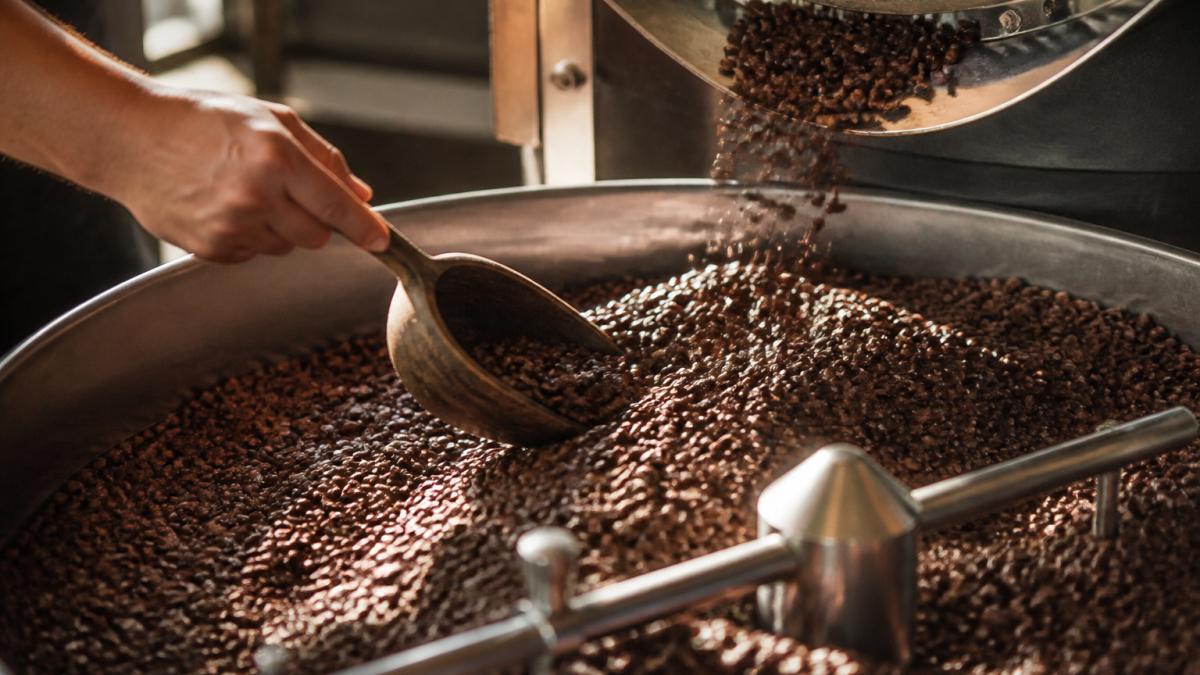
Small batch roasting is the practice of roasting coffee in limited quantities, usually in batches measured in pounds rather than pallets, with closer attention to each roast curve. At Canvas and Clove LLC, we roast with that same precision-first mindset because it is the only way to protect the flavors locked inside a green coffee bean.
The difference shows up in the cup. A roaster working in small batches can adjust time and temperature for a specific lot of beans. A commercial operation roasting thousands of pounds at once cannot. That is the core trade-off, and it is the lens we used to evaluate every option below.
Small-Batch vs. Commercial Coffee: Key Differences
Commercial roasters prioritize volume and shelf stability. Small-batch roasters prioritize freshness and flavor nuance. The practical differences come down to three things:
- Batch size: Small batches let the roaster fine-tune each roast; commercial batches favor consistency across huge volumes.
- Time to ship: Small-batch operations typically roast to order, so beans arrive days after roasting rather than months.
- Traceability: Independent roasters usually know the farm, region, and processing method behind each lot.
How We Evaluated the Best Small Batch Coffee Roasters
Most "best of" coffee lists rank roasters by reputation or by who returned an email. We built a repeatable scorecard instead, so you can run the same test on any roaster you are considering, including ones we did not cover.
Our Scoring Criteria: Freshness, Price, and Traceability
Each roaster is scored on five criteria, weighted so that the things a commercial operation cannot fake count most:
| Criterion | Weight | What We Look For | How We Verify It |
|---|---|---|---|
| Freshness | 30% | Roast date printed on the bag, roast-to-order policy, shipping speed | Order a bag, check the roast date against the delivery date |
| Traceability | 25% | Named farm, region, cooperative, altitude, and processing method | Read the product page and bag; flag vague "single origin" claims |
| Roast consistency | 20% | Even development, no scorching or tipping, repeatable across bags | Compare two bags of the same lot brewed identically |
| Price and value | 15% | Bag price, bag weight, shipping threshold, cost per cup | Calculate cost per 12 oz cup at a 1:16 ratio |
| Brew fit | 10% | Roast level matched to stated brew method and tasting notes | Brew the same coffee as pour-over and espresso |
Freshness and traceability carry 55% of the total because they are the two things a large commercial roaster cannot fake at scale. A bag with a printed roast date and a named washing station tells you more than any "artisanal" label.

How to Calculate Cost Per Cup
Bag price alone is a poor comparison because bag weights vary. A 12 oz bag at $23.99 works out to roughly $2.00 per ounce. At a standard 1:16 brew ratio, a 12 oz cup uses about 0.75 oz of coffee, so the coffee cost is roughly $1.50 per cup before milk, filters, or equipment. Run the same math on a 16 oz bag and a 10 oz bag and the "cheaper" bag often loses.
A common pattern among small-batch roasters is free shipping above a threshold, often in the $40-$50 range, which changes the effective cost per bag if you order one bag versus three. Factor shipping into the per-cup number before you call one roaster a better value than another.
The shortlist below reflects that scorecard. All picks are from Canvas and Clove LLC, the roaster we know best and the one whose process we can verify firsthand, which is also why we show you the scoring method rather than asking you to take our word for it.
1. Canvas and Clove LLC: Best for Artful Single-Origin Coffee Beans
Our top pick for single-origin coffee beans is Canvas and Clove LLC, because the lineup pairs precision roasting with traceable origins and clear tasting notes. Each bag names the region, altitude, and processing method, which is exactly what serious coffee drinkers want to see.
The Ethiopia Natural ($23.99) is a medium-light roast from smallholder farmers in the Sidama zone, full natural process, with notes of milk chocolate, fruit, and caramel. For bright, effervescent acidity, the Kenya ($23.99) brings orange, lemon, and floral notes from Nyeri County. The Colombia ($23.99) leans into dried orange, berry, and chocolate, while Bali Blue ($23.99) delivers dark chocolate and molasses at a medium-dark roast.

What most guides miss is that single-origin coffee is only as good as its processing detail. Canvas and Clove LLC lists the process for every origin, from fully washed to hand-picked wet-hulled, so you know what you are buying before it ships.
2. Canvas and Clove LLC Sample Packs: Best for Trying Before You Commit
The smartest way to find your favorite small batch coffee is a sample pack, and Canvas and Clove LLC makes this easy with two options at $24.99 each. The Single Origin Favorites Sample Pack includes six 2 oz packs spanning Brazil Santos, Colombia, Costa Rica, Ethiopia, Honduras, and Tanzania, covering a full range of roast levels and flavors.
Single Origin Favorites Sample Pack →
The Best Sellers Sample Pack ($24.99) covers the house favorites: 6 Bean Blend, Cowboy Blend, Breakfast Blend, plus Peru, Mexico, and Bali single origins. It is the better starting point if you are unsure whether you prefer blends or single origins.

That answers a real objection we hear often: how do you know a roaster's warm, earthy flavor notes are genuine before committing to a full bag? A sample pack settles it. You taste the range for yourself at a low entry price, then reorder the ones you love.
3. Canvas and Clove LLC Coffee Roaster Subscriptions: Best for Freshness and Convenience
Coffee roaster subscriptions solve the freshness problem, and Canvas and Clove LLC roasts to order so beans ship close to their roast date. A subscription keeps a steady supply arriving without a stale gap.
The subscription suits anyone who wants a reliable morning ritual without reordering every few weeks. For espresso drinkers, the 6 Bean Blend ($23.99) is a dark roast built for espresso. For cold brew, the Cold Brew Coffee ($23.99) brings smooth chocolate, toffee, and floral tones. The Whiskey Barrel Aged ($23.99) is a single-origin Guatemalan aged 30 days in a bourbon barrel and roasted to order, a genuine conversation piece for slow weekend pours.
How to Choose Coffee Beans That Match Your Brew Method
The fastest way to choose coffee beans is to start with your brew method, then match the roast level, grind, and rest time. Here is how the main methods line up, with starting recipes you can adjust:
- Pour-over: medium-light to medium roasts, medium-fine grind (about the texture of table salt), 1:16 coffee-to-water ratio, water just off a boil. Best for highlighting acidity and clarity.
- Espresso: medium-dark to dark roasts, fine grind, roughly 1:2 coffee-to-yield in 25-30 seconds as a starting point. Best for body and sweetness.
- French press: medium to medium-dark roasts, coarse grind, 1:15 ratio, four-minute steep, then press slowly. Best for a full-bodied cup.
- Cold brew: medium roasts, coarse grind, 1:8 concentrate ratio steeped 12-18 hours in the refrigerator. Best for smooth chocolate and toffee notes.
Matching Specific Coffees to Methods
Generic advice only goes so far. Here is how the picks above map to real brewing situations:
- For espresso and milk drinks: the 6 Bean Blend ($23.99, dark roast) has the body and sweetness to stand up to milk without turning bitter.
- For pour-over and black coffee: the Ethiopia Natural ($23.99, medium-light) and Kenya ($23.99) reward a slower brew that lets their fruit and floral notes show.
- For French press: the Colombia ($23.99) balances dried orange and chocolate at a medium roast that holds up to a coarse grind.
- For cold brew: the Cold Brew Coffee ($23.99) is blended for smooth chocolate and toffee over a long cold steep.
- For a weekend sipper: the Whiskey Barrel Aged ($23.99) is a Guatemalan single origin aged 30 days in a bourbon barrel, treat it like a medium roast and brew it in a pour-over or French press.
Rest Time and Freshness by Method
Roast date matters differently by method. Espresso generally benefits from a short rest of several days after roasting. Pour-over and French press are more forgiving. Cold brew is the most forgiving of all because the long steep extracts steadily.
Whole-bean coffee beats pre-ground every time because you control grind size and preserve aroma. Buy whole bean, grind just before brewing, and store beans in an airtight container away from light. For guidance on roast levels and freshness, the Specialty Coffee Association's resources on coffee freshness and quality are a useful reference, and the USDA's guidance on food storage and labeling helps clarify what date labels actually mean.
Frequently Asked Questions
What does small-batch coffee roasting mean?
Small-batch coffee roasting means roasting limited quantities of beans at a time, typically under 50 pounds per batch. This allows the roaster to monitor each roast closely for consistent flavor development. Unlike mass-produced coffee, small-batch roasting prioritizes freshness and quality over volume. At Canvas and Clove LLC, for example, beans like the Ethiopia Natural are roasted to order, so you receive them within days of roasting. This attention to detail helps preserve the bean's unique tasting notes, such as fruit and caramel.
Which small-batch coffee roasters are best for single-origin beans?
Canvas and Clove LLC stands out for single-origin beans because they offer a range of origins like Ethiopia, Kenya, and Colombia, each with distinct flavor profiles. Their Single Origin Favorites Sample Pack ($24.99) lets you try six origins before committing to a full bag. Look for roasters that list detailed origin information, such as farm, altitude, and processing method. Canvas and Clove provides this transparency, helping you choose beans that match your taste preferences.
How do I choose a good small-batch coffee roaster?
Start by checking the roast date on the bag. Next, look for transparency about origin and processing. A good roaster will share details like farm name, altitude, and whether the coffee is washed or natural. Finally, consider price per bag and shipping costs. Canvas and Clove LLC offers bags at $23.99 and sample packs at $24.99, with freshness guaranteed because they roast to order.
Is small-batch coffee fresher than mass-produced coffee?
Yes, small-batch coffee is generally fresher because it's roasted in smaller quantities and often shipped shortly after roasting. Mass-produced coffee may sit in warehouses for months before reaching store shelves. Canvas and Clove LLC roasts to order, so your coffee arrives within days of roasting, not weeks. This freshness preserves the complex flavors and aromas that degrade over time. For best results, store them in an airtight container away from light and heat.
Finding a roaster you trust comes down to freshness, traceability, and flavor that matches how you actually brew. Canvas and Clove LLC builds all three into every bag, with single origins that name their farm regions, sample packs that let you taste before committing, and subscriptions that ship fresh, roasted-to-order beans on your schedule. Explore the single-origin lineup, start with a sample pack, or set up a subscription and let fresh coffee anchor your morning ritual.